
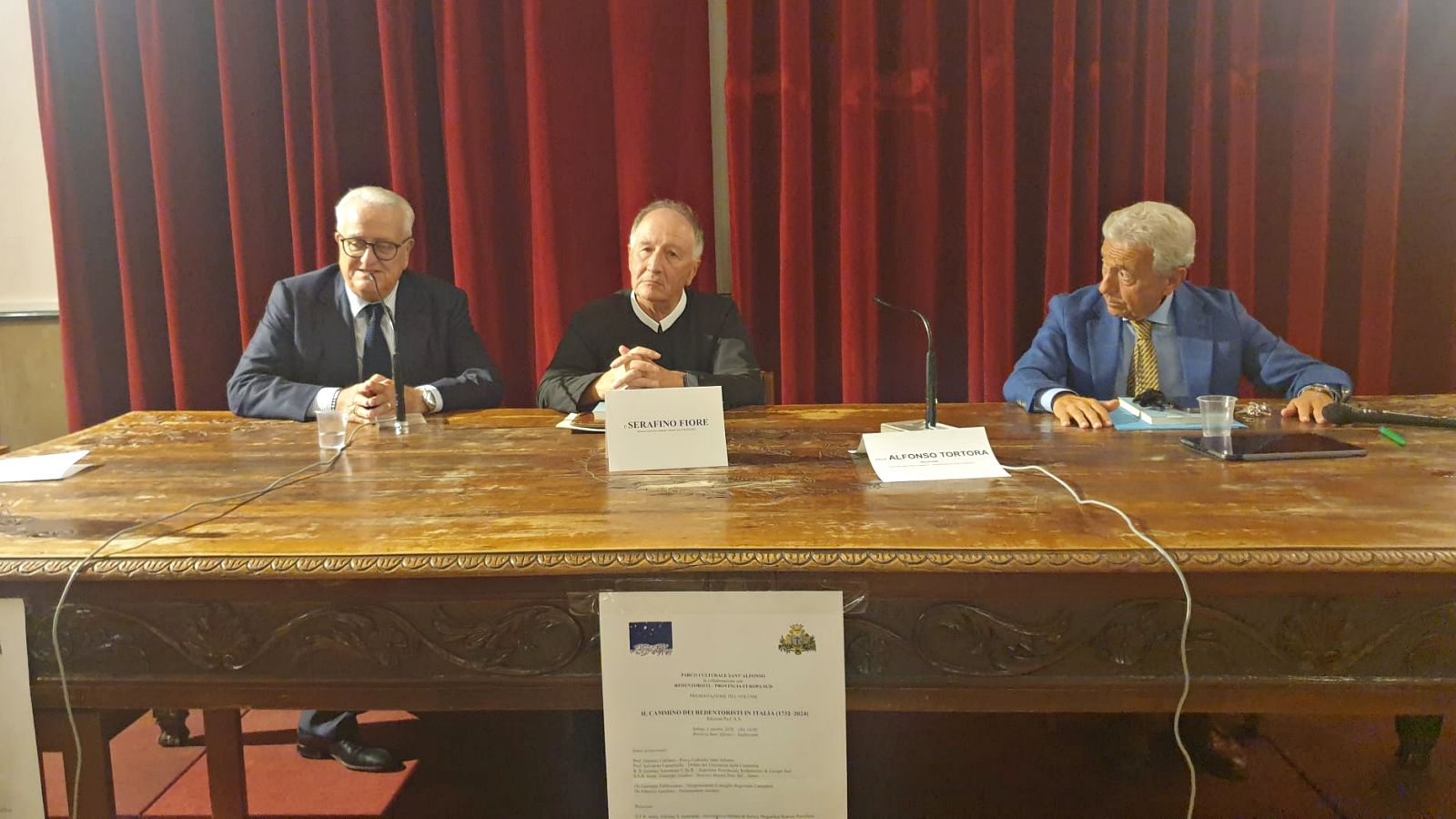
Nearly three centuries of Redemptorist presence, mission, and spirituality, recounted through the events that, from 1732 to the present, have marked the Congregation’s history in Italy. This was the underlying theme of the meeting held on Saturday, October 3, 2026, in the Auditorium of the Basilica of Sant’Alfonso in Pagani, for the presentation of the book “The Journey of the Redemptorists in Italy (1732–2024).”
The book, written by Giovanni Pepe, Father Paolo Saturno, and Father Vincenzo La Mendola and published by Pa.CSA, reconstructs the long journey of the Congregation of the Most Holy Redeemer in our country, intertwining religious history, pastoral presence, and social and ecclesial transformations.
The initiative, promoted by the Sant’Alfonso Cultural Park together with the Redemptorists of the Province of Europe South, officially opened the program of the Alphonsian Meetings 2026, proposing itself not only as an opportunity for historical study, but also as a moment of reflection on the relevance of the legacy of Saint Alphonsus Maria de Liguori.
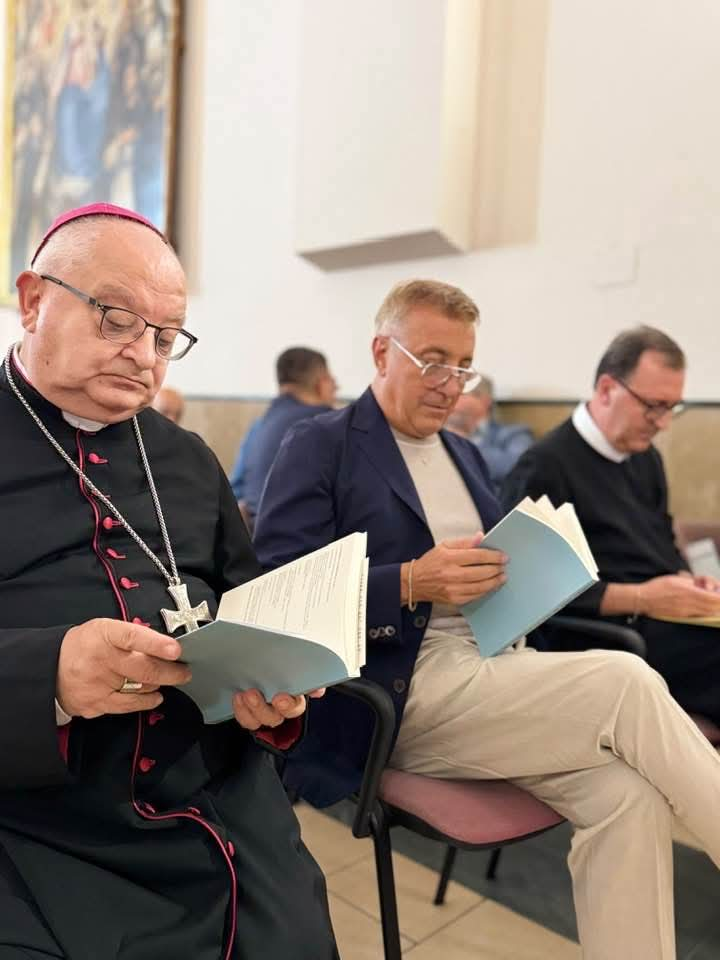
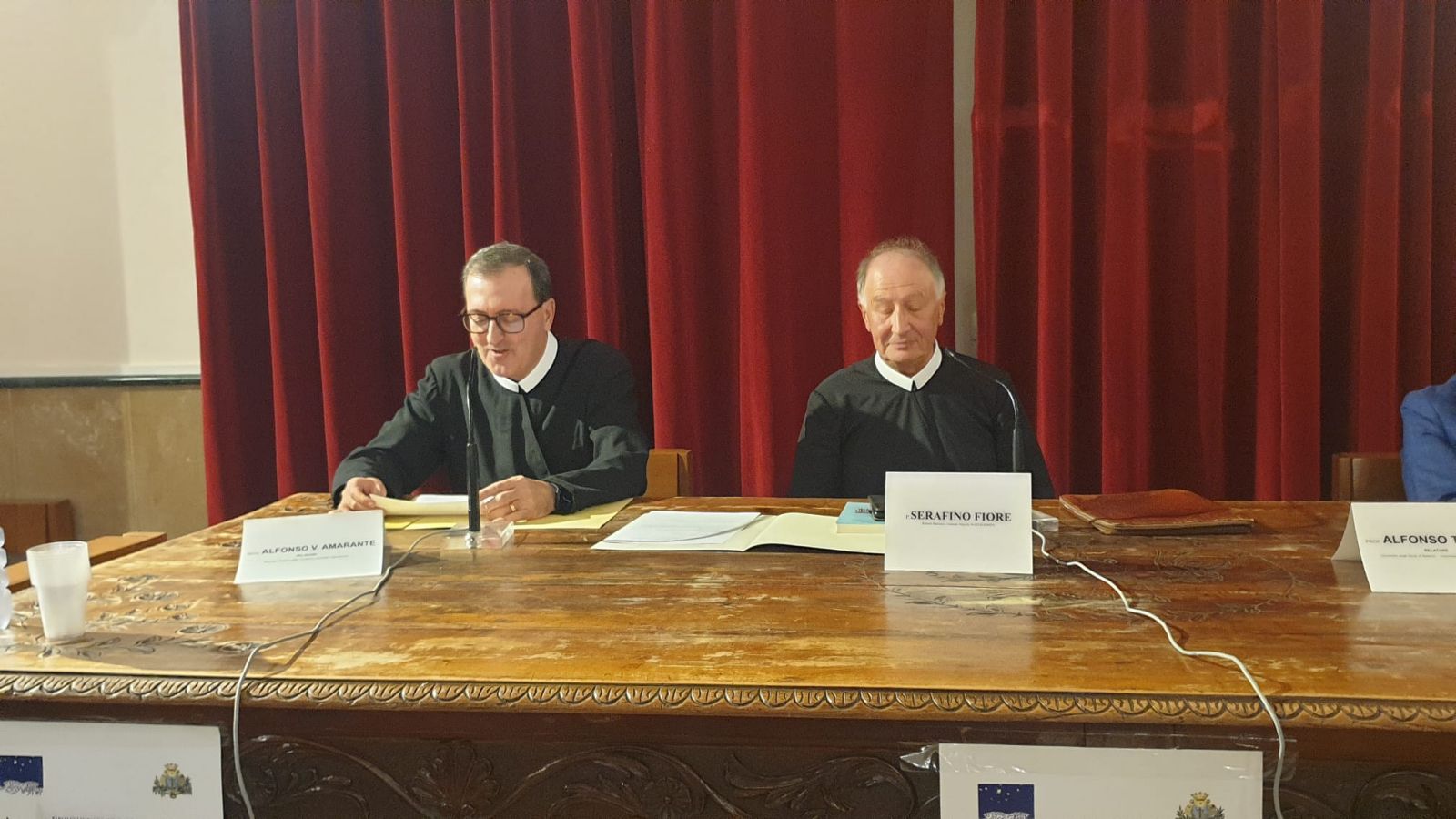
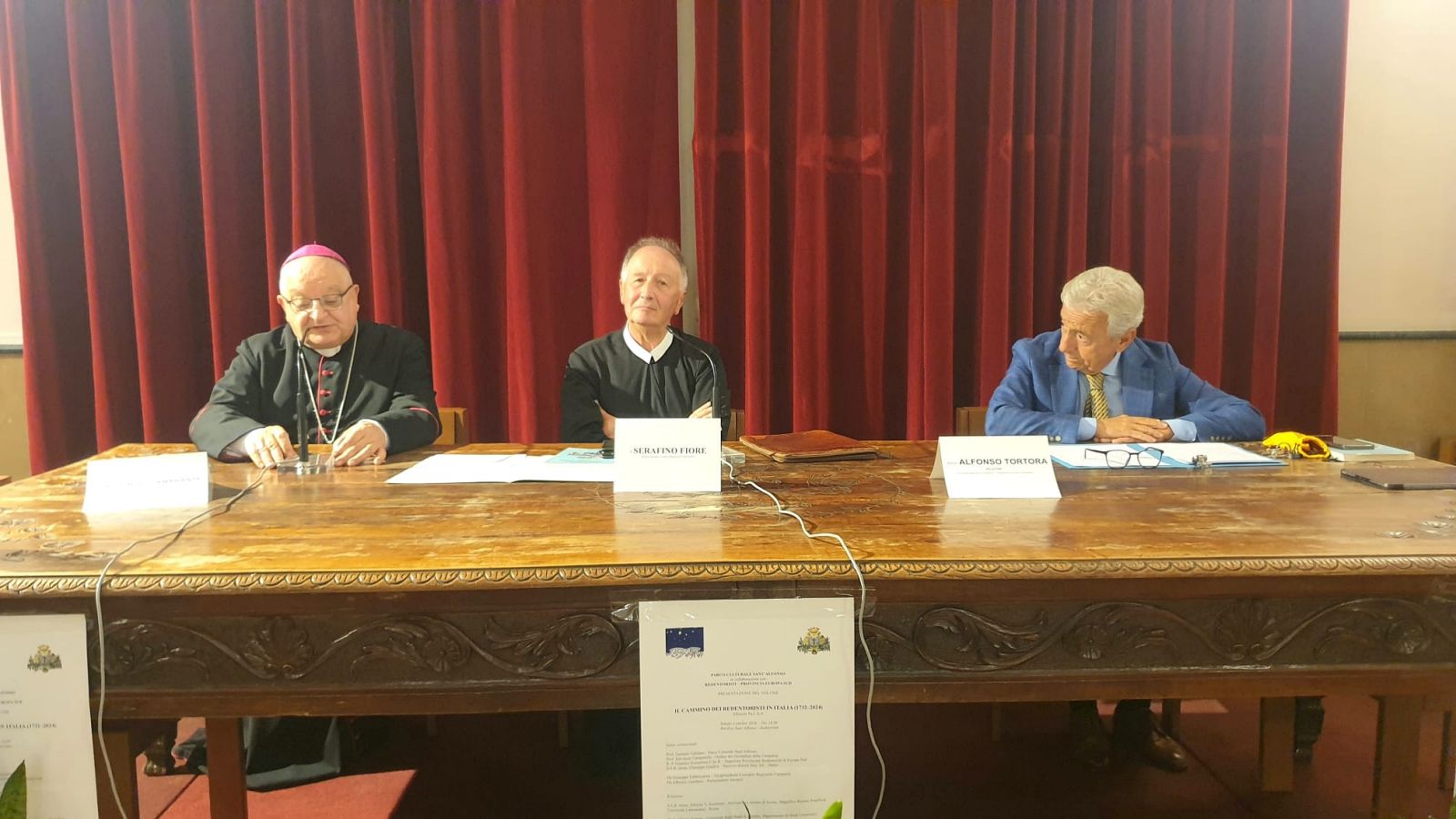
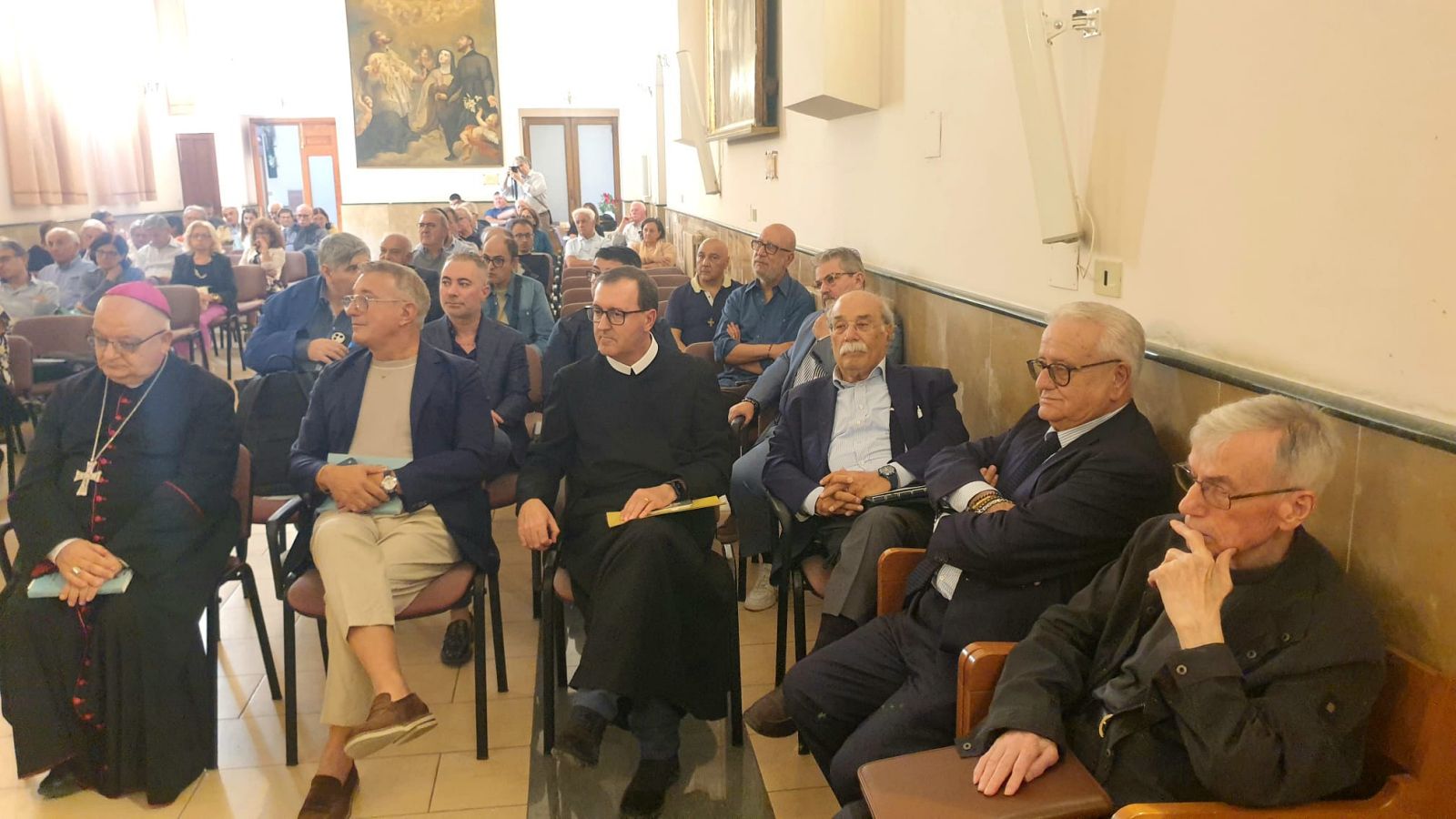
The event opened with greetings from Gaetano Califano, representing the Sant’Alfonso Cultural Park; Salvatore Campitiello, representing the Campania Order of Journalists; Father Gennaro Sorrentino, provincial superior of the Redemptorists of Europe South; Msgr. Giuseppe Giudice, bishop of the diocese of Nocera Inferiore-Sarno; and MEP Alberico Gambino.
The meeting, moderated by Father Serafino Fiore, continued with a presentation by Msgr. Alfonso V. Amarante, rector of the Pontifical Lateran University, read by Father Sabatino Majorano, and a speech by Professor Alfonso Tortora, professor at the University of Salerno.
In the presence of the authors, the discussion allowed us to retrace some of the most significant stages in Italian Redemptorist history, highlighting the Congregation’s contribution to the religious, pastoral, and cultural life of the country.
The presentation of the volume thus took on a significance that goes beyond historical reconstruction. Looking back at the journey from 1732 to 2024 also meant questioning the present and future of the Redemptorist mission: preserving a living memory, still capable of speaking to the Church and society today and translating the missionary intuition of Saint Alphonsus into the new challenges of our time.
Prof. Giovanni Pepe