


An article by Brother Nicaise Mundurame, C.Ss.R. on the Redemptorist Spirituality Course June 2026
Since 1732, the year the Congregation was founded, Redemptorist spirituality has continued to make its mark. The fire ignited by the founder, Saint Alphonsus Maria de Liguori, and his companions in Scala, a mountainous area on the outskirts of Naples, Italy, now burns across five continents, fueled by vocations from diverse cultures and nations worldwide. Yet, journeying through these places is about more than just visiting historical sites; it is a return to the very source of a charism that, for nearly three centuries, has continued to inspire thousands of religious men and women and laypeople around the globe. Here, every site tells the tangible, direct story of the Congregation of the Most Holy Redeemer, whose mission is to proclaim the Gospel to the most abandoned.
Driven by their deep attachment to the Congregation, seventeen Redemptorists from nine different countries have set out to walk this path—tracing the steps of their founding and visiting the holy places that bring their spirituality to life.
In essence, the Redemptorists attending this session engaged in the following activities from June 14 to 20: site visits, spirituality courses, and presentations by the represented units.
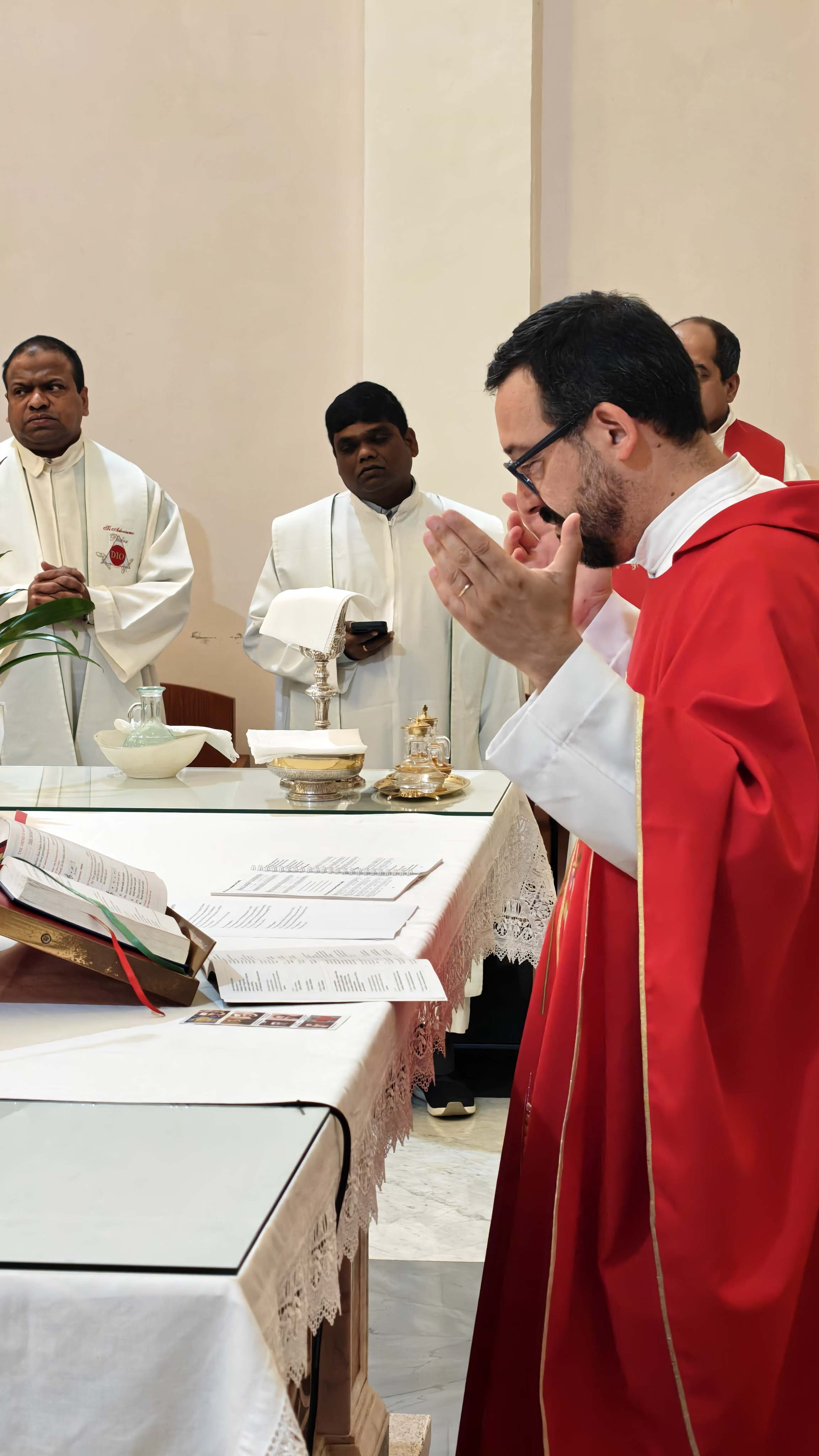
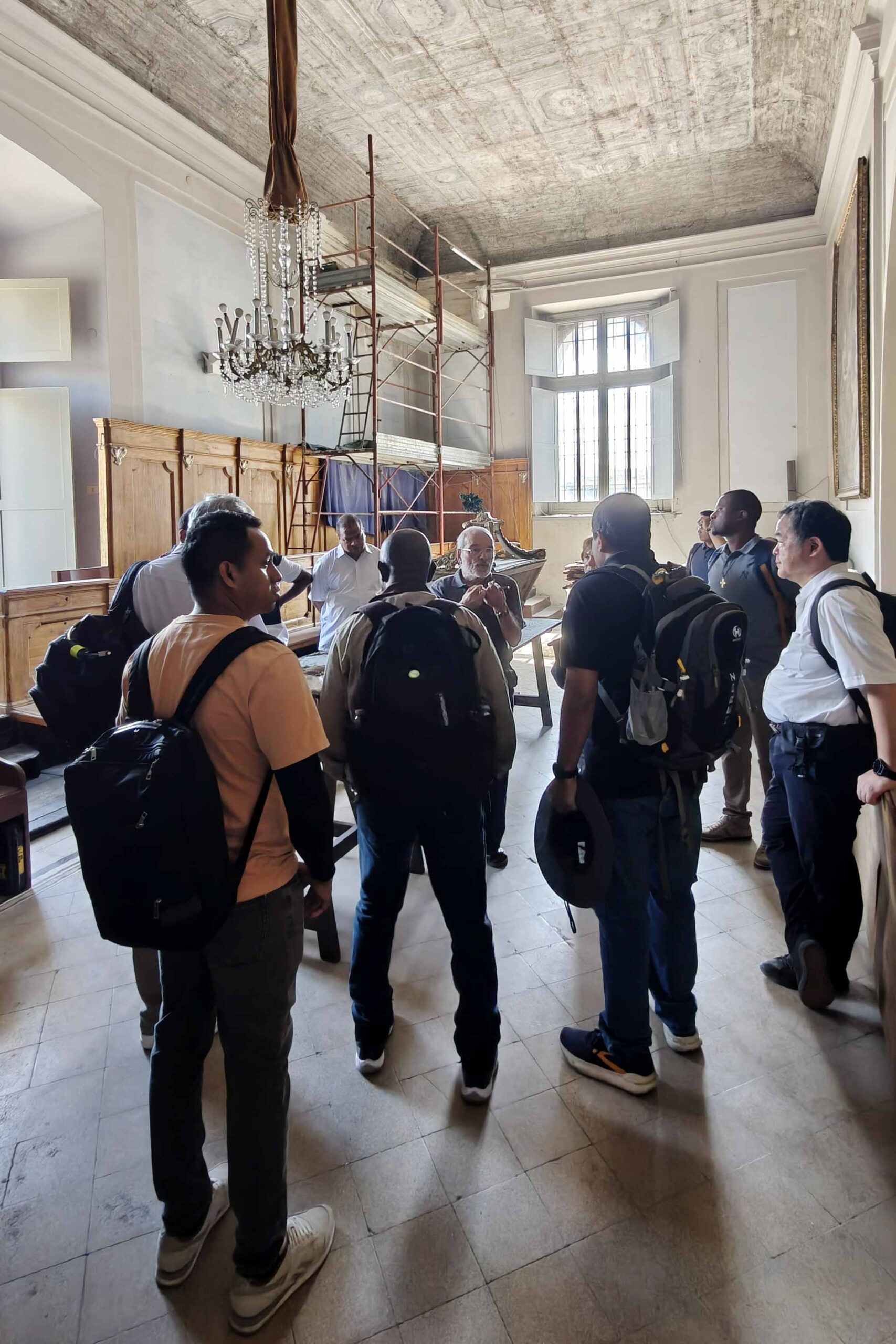
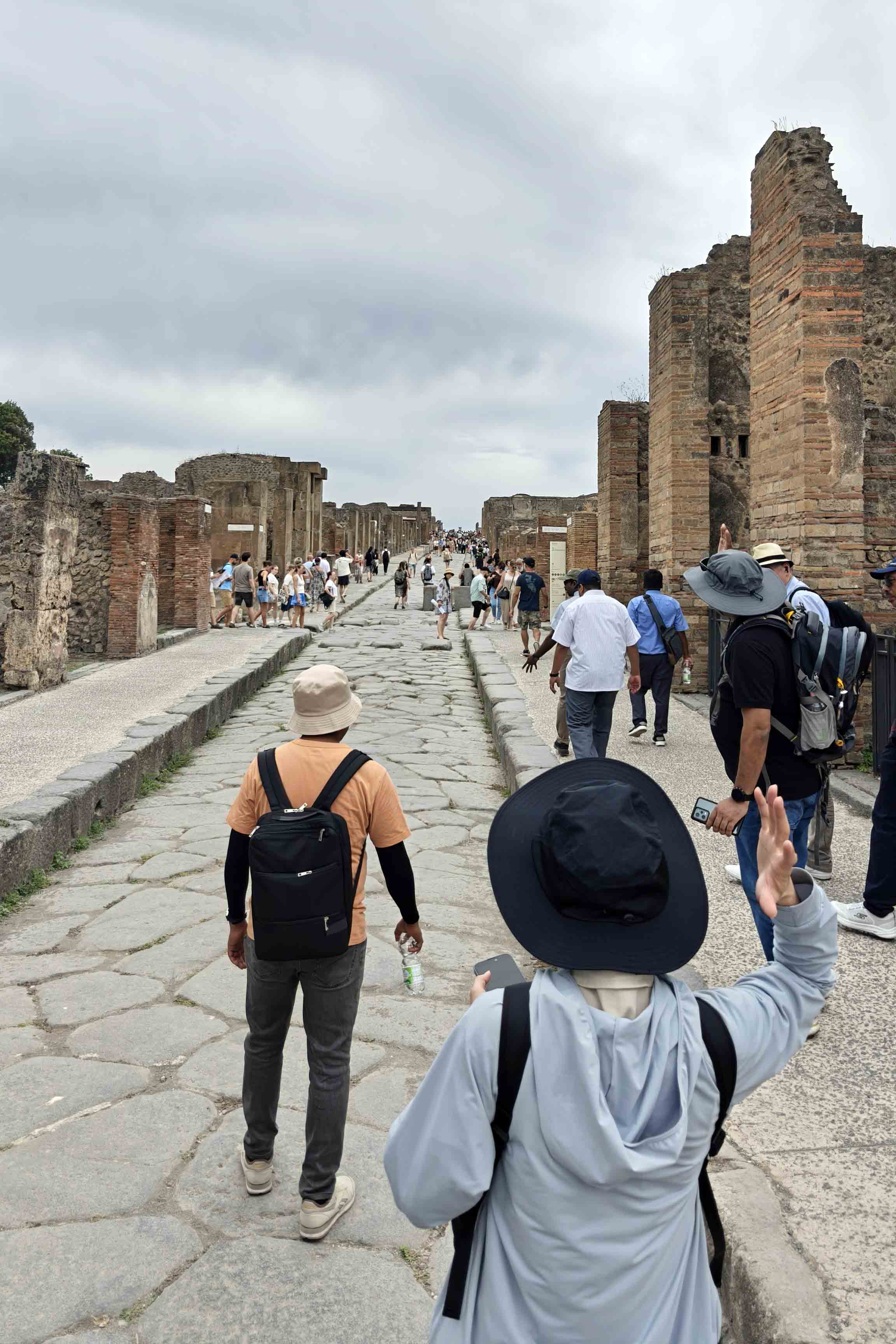
Regarding the visits, the participants toured four different locations: Pagani, Pompeii, Materdomini, and Monte Cassino.
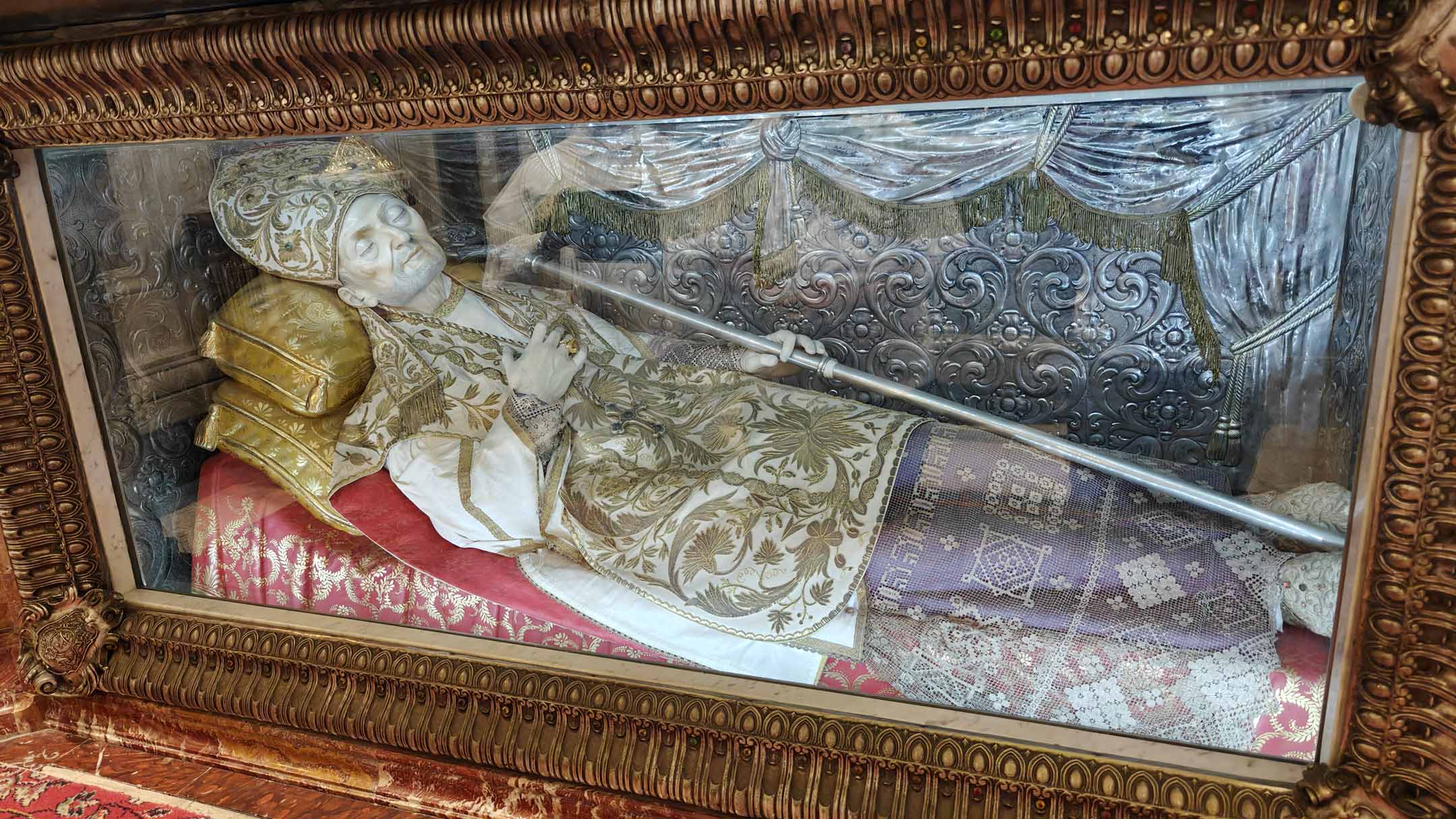
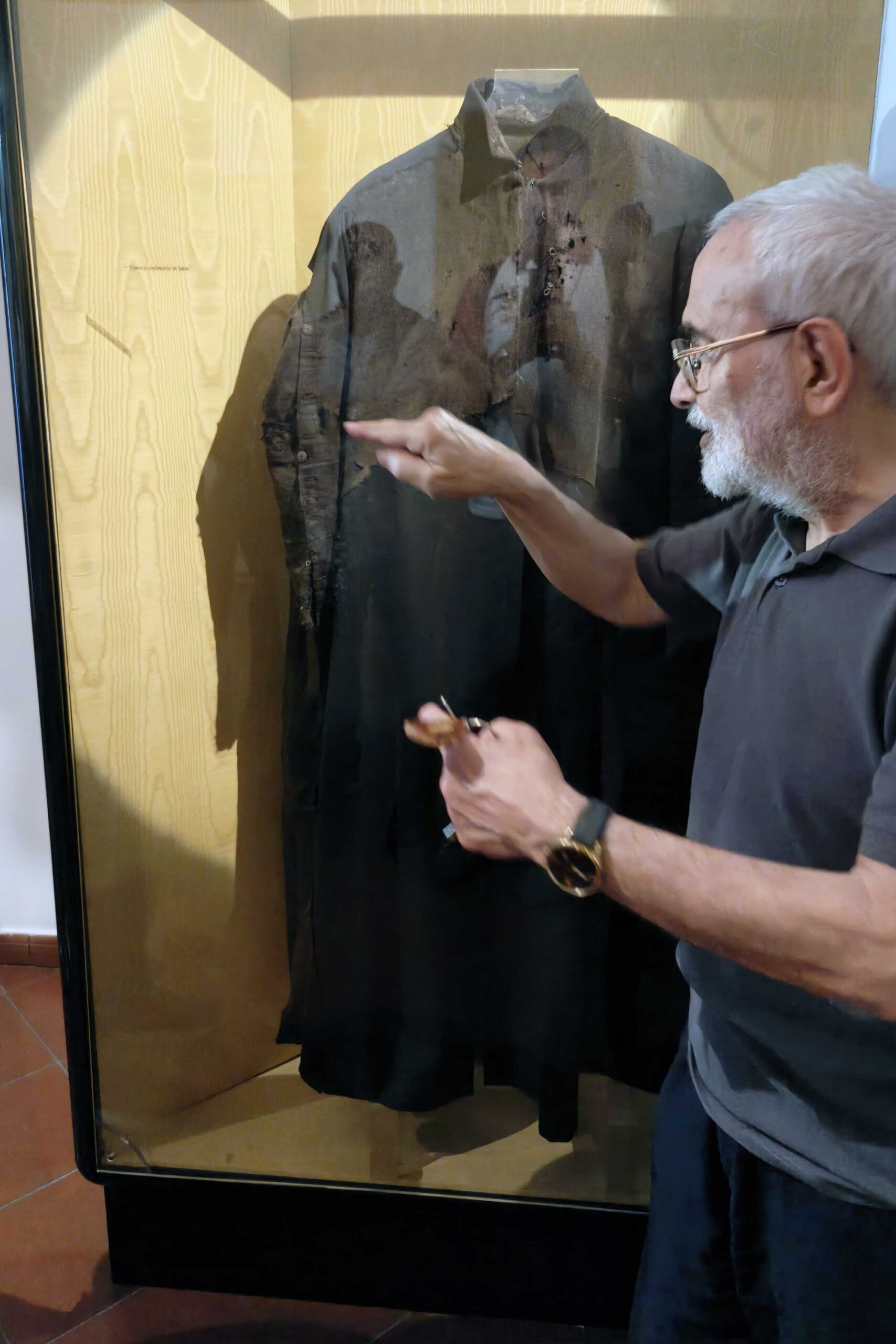
Pagani: Guided by Fr. Saturno, they visited the Basilica of Saint Alphonsus—a major pilgrimage center housing the founder’s relics. Located on Piazza Sant’Alfonso, the complex includes the Alphonsian Museum and the room where the Saint lived. It was here that he composed the famous Christmas carol “Tu scendi dalle stelle.” The visit concluded with a moment of prayer and reflection at the tomb of Saint Alphonsus.
Pompeii: An ancient Roman city famous for having been completely buried by the eruption of Mount Vesuvius in 79 AD. Surrounded by ruins, its central area is now an exceptional archaeological site revealing the remains of a well-organized city.
Materdomini: A major pilgrimage site in southern Italy dedicated to Saint Gerard Majella; pilgrimage is the town’s primary source of attraction. It brings thousands of visitors to its famous shrine, which houses the remains of Saint Gerard and a large room called “Sala dei Fiocchi” (Italian) or “Hall of Bows” where mothers who have obtained a child through the intercession of St. Gerard offer a bow for each baby born – pink for girls and blue for boys.
Monte Cassino: The visit focused on the splendidly decorated Basilica—housing the tombs of Saint Benedict and his sister Saint Scholastica in its crypt—as well as the museum and the library. The site is rich in historical documents and sacred objects that have survived through the centuries. Regarding the courses, the instruction focused on the moral theology of Saint Alphonsus, the place of Mary in Redemptorist spirituality, spirituality and missionary dynamism, and presentations by the represented units.
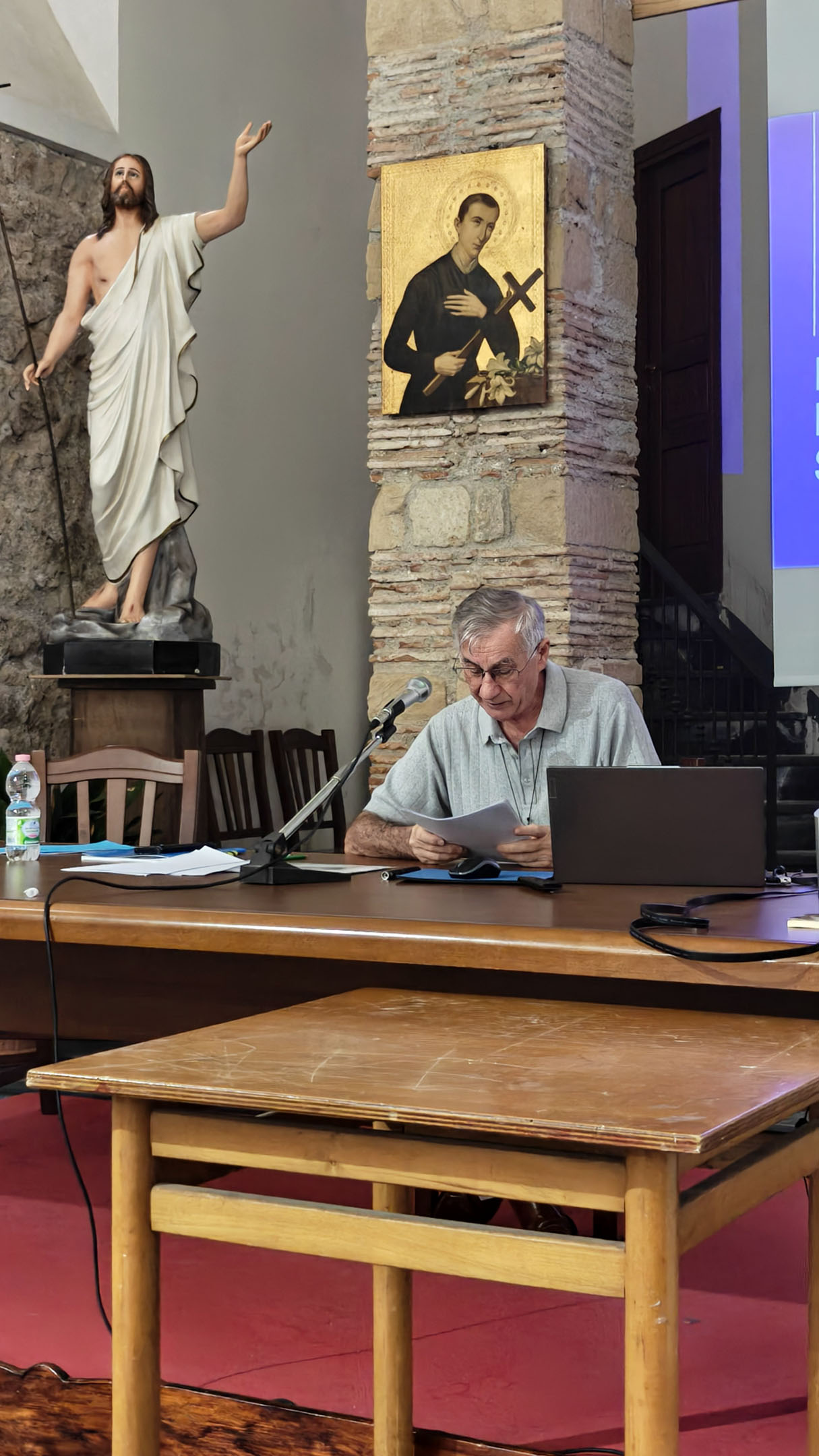
Regarding the moral theology of Saint Alphonsus Liguori, Fr. Vimal Tirimanna explains that this discipline counters both Jansenist rigorism and laxism by proposing “equiprobabilism” (a pastoral balance). It centers on mercy, the salvation of souls, and the primacy of conscience enlightened by prayer and the love of God.
As for Redemptorist spirituality, Fr. Dworak notes that the Virgin Mary holds a central and essential place as the Mother of Mercy and Our Lady of Perpetual Help. By way of illustration, the famous icon of Our Lady of Perpetual Help—a symbol of Mary’s constant protection—was entrusted to the Redemptorists by Pope Pius IX.
Regarding spirituality and missionary dynamism, Fr. Krzysztof Dworak specifies that they are grounded in proclaiming abundant redemption to the abandoned. This identity unites community prayer with apostolic action—adapted to the specific time and place—on behalf of the most abandoned.
During one particular session, each represented Unit gave a presentation highlighting key aspects of their mission: their geographical presence, evangelization efforts, ministries, and personnel.
Reflecting on the cultural diversity of the participants—who were united and of one mind in their shared Alphonsian spirituality—Brother Nicaise Mundurame likened Saint Alphonsus to a guitar (a universal instrument); played differently across cultures, it enlivens each one according to its unique character. This son of Naples serves as a unifying link.
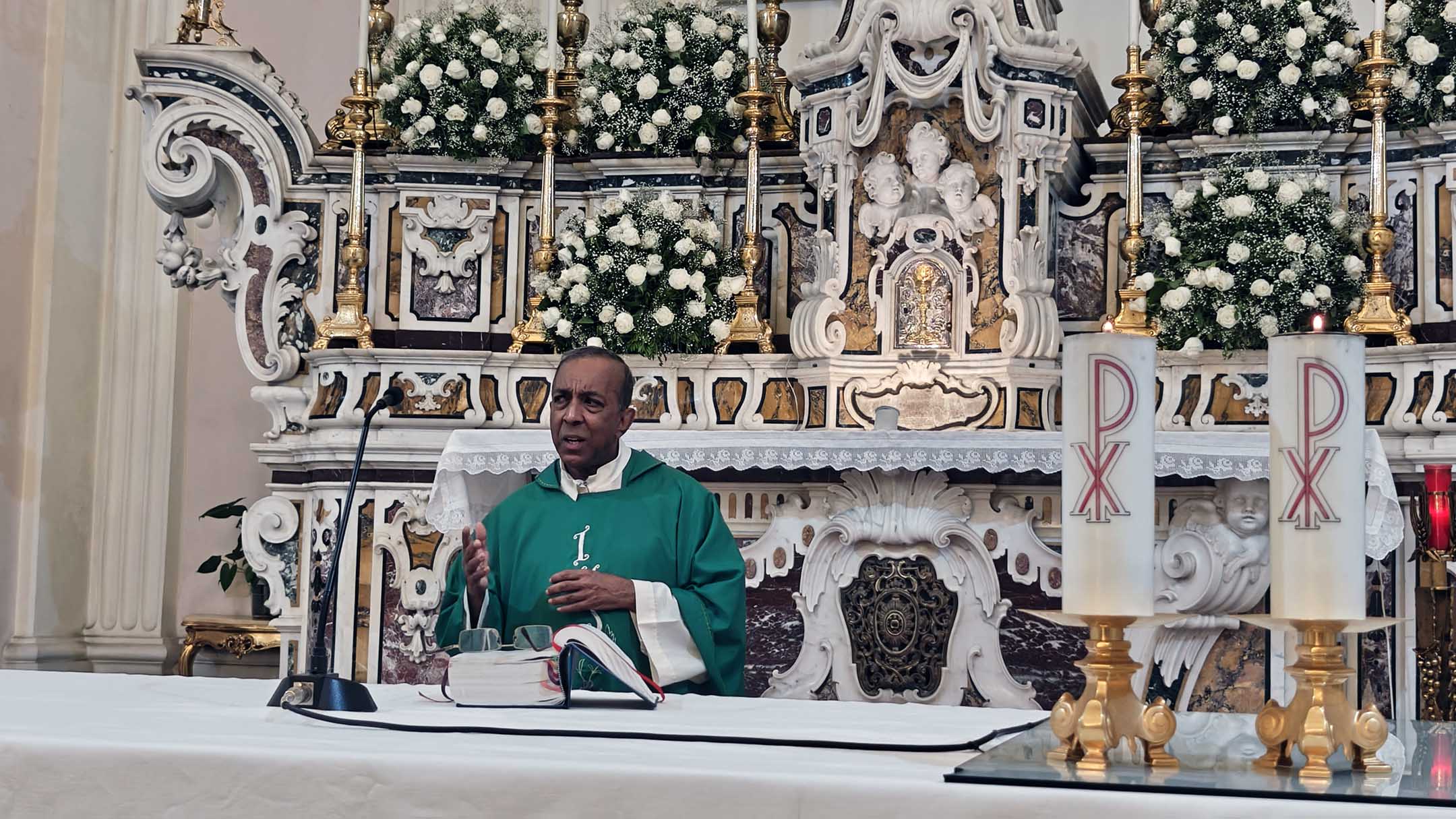
The session concluded with a Mass celebrated by Fr. Laureano Del Otero Sevillano, C.Ss.R., Superior of the Ciorani community.


